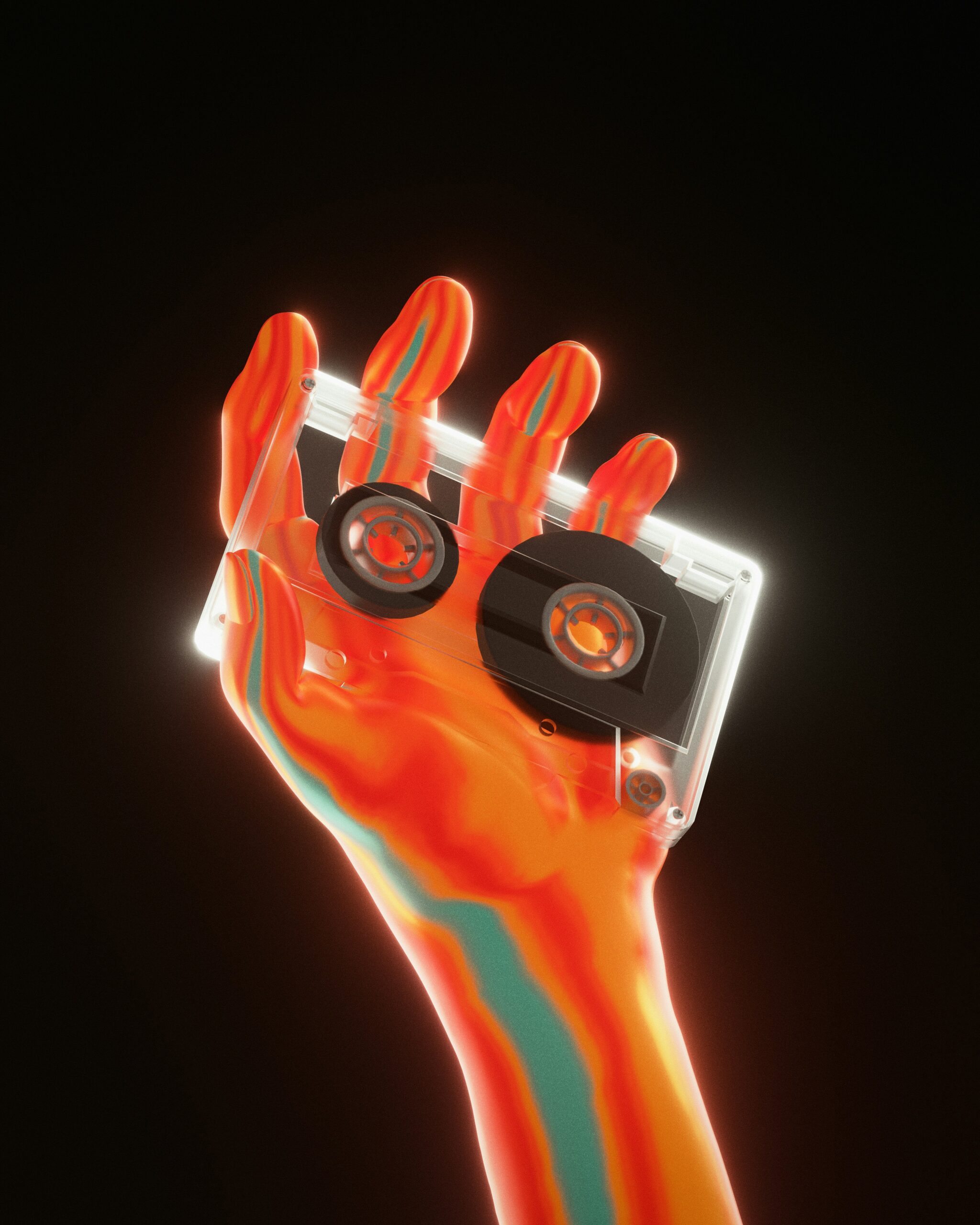
A brand is felt, remembered, and experienced. And sound reaches those layers with unusual speed and force. Sonic branding is understood as a strategic asset precisely because sound operates as an immediate language, capable of triggering memory, emotion, recognition, and loyalty across physical and digital touchpoints. A consistent sonic language can reinforce values, deepen narratives, and create lasting emotional connections.
A music identity is not simply “the kind of music a brand likes.” It is the unique sonic character of a brand, built over time through consistent curatorial decisions. It is what people emotionally and aesthetically associate with that brand when they hear it, enter its spaces, attend its events, watch its videos, or encounter its content. In that sense, music identity is not superficial decoration. It is part of the brand’s cultural body.
This matters because music does several things at once. It creates immediate emotional impact. It activates memory, a sense of belonging, atmosphere, and movement. It helps unify experiences across very different contexts. And it helps brands position themselves, differentiate, and connect. In other words, music does not just accompany the brand experience; it can organise it.
The real question, then, is not whether brands already have a music identity. The truth is that most of them do. The real question is whether that identity has been designed consciously or is simply emerging by accident.
When a hotel chooses one kind of playlist for breakfast, another for the lobby, another for its social media edits, and a totally unrelated one for an activation, it is still saying something. When a fashion brand uses one mood in campaigns, another in-store, and a third in collaborations, it is still building associations. When a restaurant wants to feel warm, contemporary, sensual, cosmopolitan, or rooted, but its music says something generic, confused, or borrowed, there is a gap between what the brand wants to be and what the audience actually feels.
That gap is where many brands lose emotional precision.
Music identity begins by translating the essence of the brand into sonic language. Mission and vision are described as the brand’s DNA, and translating them into sound means interpreting their emotional core. A brand rooted in empowerment may lean toward bold, expressive, uplifting music. One focused on sustainability may prefer organic, acoustic, or nature-inspired textures. One built around sophistication may move toward minimal, elegant, refined sonic environments. The point is not to illustrate the brand literally, but to give its values an audible form.
This process becomes even more precise when music is aligned with product, aesthetic, audience, and use case. Every product has a form, function, texture, and rhythm, and the music associated with it should echo that reality. A sporty tech product may call for syncopated beats and contemporary electronic edges. Natural skincare may call for soft textures, ambient tones, or a calm, downtempo feel. Luxury fashion may live more comfortably with slow tempo, textured ambient, or refined jazz. This coherence strengthens the brand experience not only visually but sonically, and repeated interaction between music and product increases recall over time.
Audience matters too, but not in a simplistic demographic way. Understanding the audience means reading music consumption habits, cultural background, emotional drivers, and aspirations. Music can reflect who people already are, surprise them, or position the brand within a niche subculture they want to belong to. A strong music identity does not flatter the audience mechanically. It creates a meaningful relationship between the brand’s world and the audience’s inner life.
This is why the role of the curator becomes essential. Music curation is defined not as passive selection but as the art and craft of intentionally shaping sonic experiences. Curation means designing narratives with sound, aligning choices with context, identity, and audience. Curators are described not merely as selectors but as mediators, interpreters, strategists, and designers. Their role is to translate cultural signals into sonic form and to shape atmosphere, flow, and narrative with purpose.
That distinction is crucial because brands do not need more random playlists. They need meaning, consistency, and emotional intelligence.
This is where music identity becomes more than a taste exercise and starts to take shape as a system. Once the brand’s musical identity is defined, it can extend across a wider framework: audio branding elements such as logos, jingles, anthems, or soundscapes; branded content and audiovisuals; hospitality and retail environments; events and live experiences; artist collaborations; and editorial or social content. A music policy, specifically, is more than a playlist: it is a strategic framework that defines how music is selected and used across touchpoints, ensuring consistency while allowing creativity within boundaries.
That consistency is what allows a brand to stop sounding incidental and start sounding intentional.
Before composing a sonic logo, curating a playlist, programming artists, or designing the emotional arc of an event, the first task is to understand the sea the brand is navigating. Identity comes before selection. Context comes before taste. Strategy comes before style. Only then can music become what it should be for a contemporary brand: not an accessory, but a language.
And perhaps that is the key shift the market still needs to make. Music is still too often treated as an atmospheric extra, a background layer added late in the process, once the “real” branding work is done. But music is already shaping how people perceive spaces, products, rituals, content, and memory. It is already influencing how long they stay, how deeply they connect, and what kind of emotional residue remains after the encounter.
So the brands that will stand out in the coming years will not necessarily be the loudest ones. They will be the ones who understand that identity is not only visual. It is sensory. It is atmospheric. It is cultural. It is emotional.
And sooner or later, every serious brand will need to ask itself the same question:
If we already know how we look, do we really know how we sound?



Comments are closed