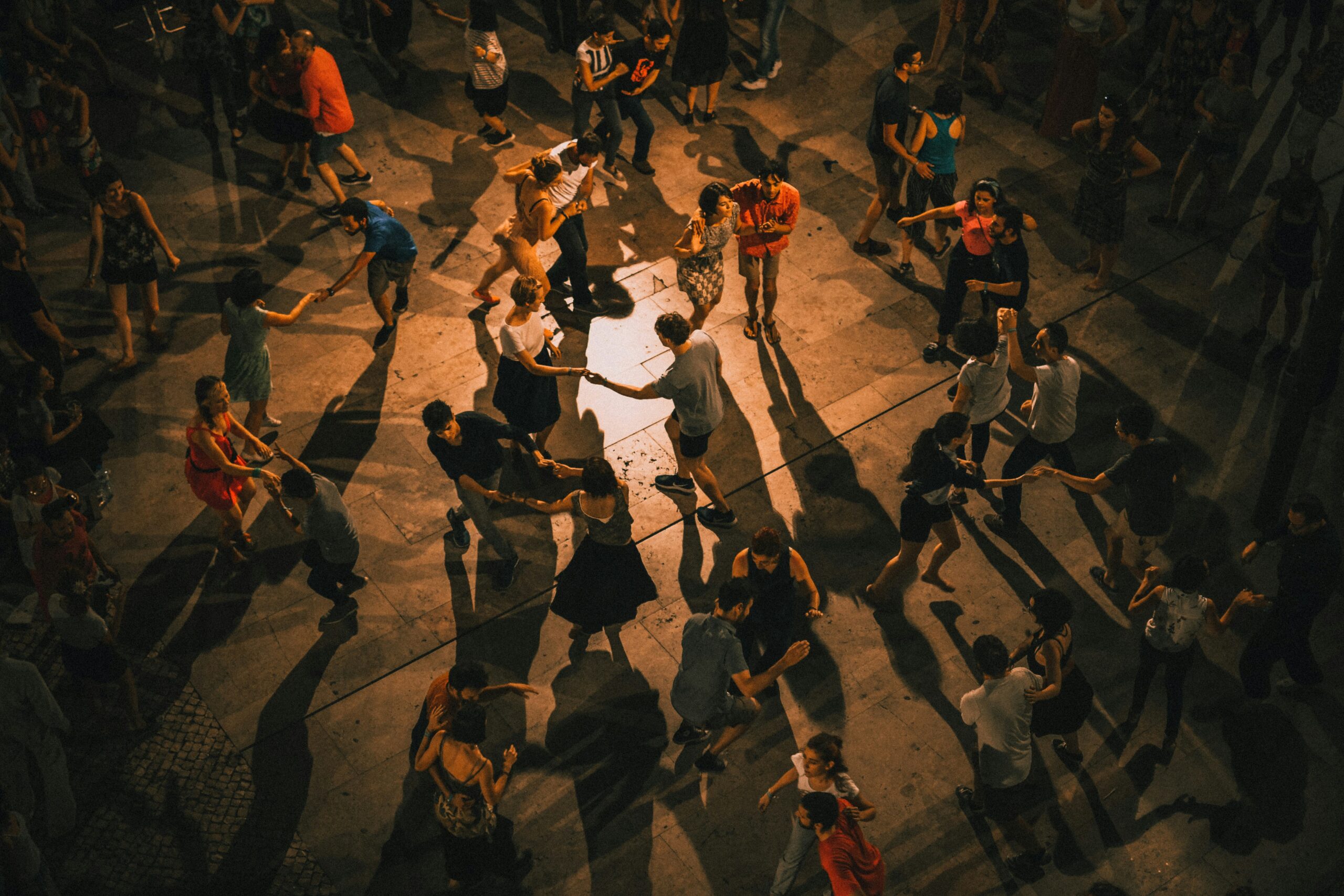
Public administrations often work with very visible tools: urban planning, programming, communication, public space design, heritage, tourism, youth, culture: the city brand.
But there is a less visible tool that can cross many of those layers at once: music. Not only as concert programming, activities, or a festive resource. Or as a cultural commitment.
Music can be a real tool for building bonds, territorial identity, and collective value. Cities, towns, islands and entire territories that want to project a contemporary image, culturally rich, connected with their community and capable of generating experience and belonging. They want to attract talent, care for the local fabric, activate public space, reinforce a sense of belonging, improve their cultural narrative, or even elevate the experience of visitors.
Music can help with all that. It can do so because it articulates memory, community and emotion in a way that very few tools achieve. It is present in rituals, celebrations, farewells, memories, and forms of collective relationships. And it connects people, cultures, and communities with one another.
A public administration should not think about music only from the logic of the event. It can also be thought about from an identity perspective. From care for context. From the cultural landscape. From the bond with the citizenry. From the way in which a territory expresses itself and recognizes itself.
· give coherence to cultural programming
· avoid the feeling of a scattered agenda, and without a narrative
· reinforce local identity
· connect tradition and contemporaneity
· activate public spaces with more depth
· build more memorable cultural experiences
· better take care of the relationship between music, tourism and community
That is valid for town halls, provincial councils, areas of culture, youth, tourism or territorial promotion.
And it does not mean bureaucratizing music. It means taking it seriously enough that it becomes part of your social or political strategy.
An administration can work with music as a language of the city. As a vehicle of welcome. As a tool of social cohesion. As a way of projecting a territory outwards without losing truth. As a way to better organizez its collaborations, activations, or events. As a way of connecting public spaces, citizenry and discourses.
In fact, FLOOOD sets out its cultural collaborations on a very clear logprioritizingsing projects in which music is understood as a cultural discourse and a narrative, not only as entertainment, where musical curation is cared for at all levels: campaigns, communication, programming and even, why not, the use of music in public facilities, to give them a personality in coherence with the natural, urban or cultural environment and the city discourse.
That same thing, transferred to the public sphere, can become a policy of great value because an administration that uses music well not only administers a territory. It builds narrative and generates a sense of belonging, safety, and comfort. It activates territory, connects generations and reinforces historical memory. And it can even project a more sensitive, more contemporary and more human image of itself.
Suppose we are talking, therefore, about “putting a soundtrack” to a city and understanding what music can do within a broader cultural, territorial and social strategy always at the service of all of us, the citizens. Including the rulers themselves. Saving that historically insurmountable difference between rulers and people. And music, precisely, unites, brings closer and creates cohesion.

Comments are closed