
Some brands invest months in defining their visual universe. Colours, typefaces, materials, tone of voice, photography, spatial design, motion, campaigns, concept. Everything is very good. Everything was very carefully done. Everything is very precise, artistic and strategic.
And then they sound as if nobody had thought about it for even five minutes. Or they do not even sound.
That is one of the most curious blind spots of contemporary branding.
We continue to act as if a brand’s identity were played out almost exclusively in the visible, when in reality, much of what we remember, feel, or associate with an experience also passes through the sonic. Not only through an audio logo or a campaign. Also,o through the music that accompanies a space, an activation, an audiovisual piece, a customer experience or a digital environment.
Put simp,y: your brand is not only seen. It is also heard.
And the most interesting thing is that even if you have not decided it, it may already be sounding. But like what? Who decided that? The question is whether it sounds intentional or accidental
For FLOOOD, music is an invisible dimension of identity. A constant presence in human experience, linked to what we hear, feel and remember. And like water, it flows, adapts, finds its way and generates life.
As soon as you understand music as part of identity, you stop seeing it as an aesthetic complement and start seeing it as a language. It is an element that is constantly present in our lives. Even if only in our imagination. One that transmits values, character, sensitivity, positioning, memory and cultural context.
Music can make a brand be perceived as warmer, more sophisticated, more human, more radical, more sensitive, more hedonistic, more contemporary or more… empty. It can elevate a space or leave it flat. It can reinforce a narrative or contradict it. It can turn a correct experience into a memorable experience. Or it can elegantly ruin a whole previous effort because of a wrong musical choice.
Yes, elegantly ruin. It happens when a brand wants to seem singular and sounds the same as all the others. It happens when a brand wants to seem premium and sounds generic. It happens when a brand wants to connect emotionally and uses library music. It happens when a fortune is invested in visual design and zero thought is given to its sonic language.
And it is strange, because everybody knows music matters.
People cry with music.
They fall in love with music.
They remember with music.
They celebrate with music.
They build community with music.
They move, activate themselves, calm down, or recognise themselves in it.
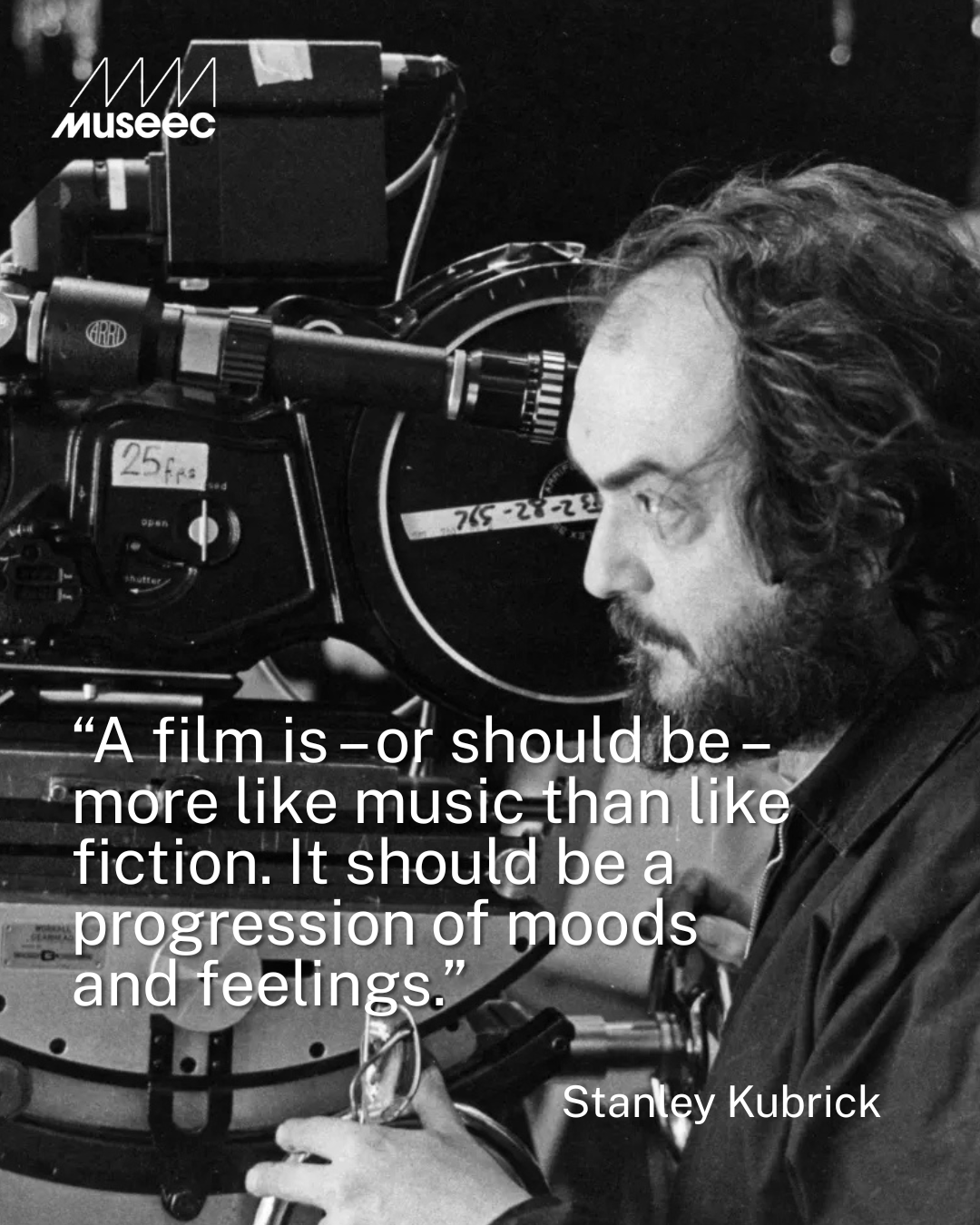
That is why, at FLOOOD, we speak about music as identity, atmosphere, architecture, language, emotional impact, and a strategic tool. That is to say: as a structural layer of experience. And that implies thinking it. Thinking about it in relation to the purpose of the brand:
With its personality.
With the cultural context in which it lives.
With the audience it addresses.
With the moment of the day.
With the space.
With the narrative.
With the energy.
With the memory it wants to leave.
Because it is not about a brand selecting and using “good music”. It is about selecting the music that inhabits its context.
And that does not always mean sounding obvious. Nor trendy. Nor cool. Nor elitist. Nor underground for posturing. Not sophisticated by the book.
Sometimes a brand needs to sound luminous. Sometimes sensual. Sometimes expansive. Sometimes contemplative. Sometimes warm. Sometimes magnetic. Sometimes forceful. Sometimes inspiring.
That is why a brand that truly takes care of its sonic dimension does not only “choose songs”. It defines a territory—a way of being in the world. A way of recognising even before rationalising what they are feeling.
Music, well used, does something very powerful: it makes the intangible tangible.
An attitude.
A vision.
A sensitivity.
A desire.
A relationship with culture.
A certain idea of beauty.
That is why it is not enough for a brand to look good. It has to sound like what it promises, like what it wants to make people feel. Like the kind of experience it wants to leave in the body and in the memory.
And there is nothing stranger than a visually impeccable brand that sounds as if it did not know who it is.




Comments are closed